The U.S. postal system is one of the largest, most complex, and most unique mail delivery networks in the world. While every country relies on its own postal infrastructure to deliver letters and parcels, the way the system operates in the United States differs significantly from many other nations. From the structure of the organization to the way mailboxes are used, pricing models, delivery frequency, and funding, the differences are striking.
Understanding how the U.S. postal system differs from other countries is not only interesting from a cultural perspective, but also essential for international shipping, e-commerce, travelers, and expatriates. In this guide, we explore the major distinctions that make the American postal service truly unique.
A Government Service That Operates Like a Business
One of the biggest differences between the U.S. postal system and postal services in many other countries is its financial structure. The United States Postal Service (United States Postal Service), commonly known as USPS, is a federal service, but it does not receive regular taxpayer funding for normal operations. Instead, it relies primarily on:
-
postage sales
-
shipping services
-
commercial partnerships
In contrast, most postal systems around the world are directly funded by the government and operate as public services with guaranteed financial support. For example, many European postal operators function as state-owned enterprises that receive subsidies to maintain nationwide service.
This hybrid model makes USPS unique: it must serve the entire country at affordable prices while operating under business-like financial constraints.
Universal Service Across a Massive Territory
Another major difference lies in geographical scale. The United States is one of the largest countries in the world in terms of land area and population distribution. The U.S. postal system is legally required to deliver mail to:
-
dense urban centers
-
suburban neighborhoods
-
rural farms
-
remote mountain areas
-
isolated islands and desert regions
This concept is known as universal service, and while many countries also protect universal mail access, few face the extreme geographical challenges of the U.S. As a result, mail delivery in America is far more logistically demanding than in smaller, more densely populated nations.
In many countries, rural delivery is limited, less frequent, or requires recipients to collect mail from centralized locations. In the U.S., daily delivery is standard—even in remote regions.
The American Mailbox System Is Uniquely Standardized
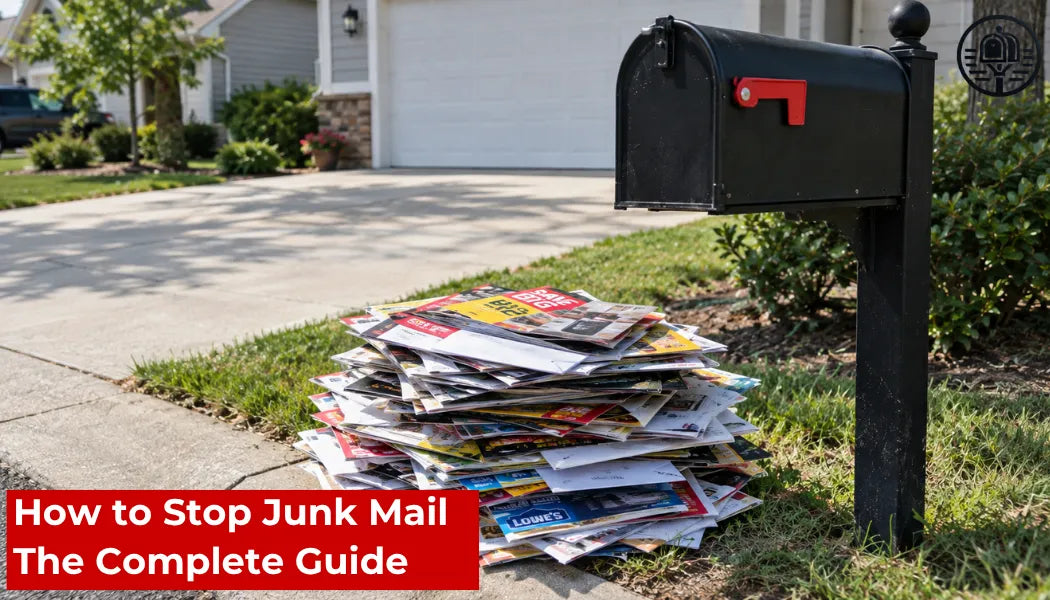
One of the most visible differences is the mailbox system itself. In the United States, home mail delivery relies heavily on standardized residential mailboxes placed at the curb, on posts, or at the entrance of long driveways. These mailboxes must meet federal specifications regarding:
-
size
-
material
-
height
-
placement
In contrast, most countries use letter slots in doors, apartment cluster boxes, or communal mail collections inside buildings. Individual curbside mailboxes are rare outside the U.S., Canada, and a few other countries.
This structural difference affects everything from delivery speed to weather exposure, security, and even home design.
Daily Mail Delivery Is the Norm
In the United States, mail is delivered six days a week, Monday through Saturday. This includes regular letters, advertising mail, and some packages. Few countries maintain such a frequent delivery schedule.
In many parts of Europe, Asia, and South America:
-
delivery occurs 3 to 5 days per week
-
rural areas may get mail only a few times a week
-
private couriers handle most parcel services
The American expectation of fast and frequent delivery has shaped consumer behavior, especially in e-commerce and subscription services.
Pricing Structure Is Flat and National
Another major distinction of the U.S. postal system is its flat-rate pricing model for standard mail. A letter sent across the street costs the same as one sent across the country. The distance does not affect the price of a regular stamp.
In many other countries:
-
prices increase based on distance
-
weight brackets are narrower
-
international zones are more expensive
This flat pricing makes domestic mailing extremely accessible in the U.S. and encourages nationwide correspondence and business shipping.
Tracking and Technology Integration
In recent years, the U.S. postal system has significantly expanded its tracking and digital services. Today, most packages include:
-
real-time tracking
-
delivery alerts
-
estimated delivery windows
-
online redirection services
While advanced tracking exists worldwide, USPS now provides free tracking for most domestic packages, whereas tracking in some countries may require additional fees or premium services.
However, compared to private logistics companies, USPS still lags in some areas of real-time precision and customer-facing technology.
The Role of Private Couriers Is Different
In the U.S., USPS coexists with powerful private carriers such as FedEx, UPS, and DHL. Unlike in many countries where the national postal operator dominates the entire logistics market, in the U.S.:
-
USPS focuses on letters, advertising mail, and last-mile delivery
-
Private companies dominate express shipping, large parcels, and international freight
Interestingly, many private couriers even rely on USPS for final residential delivery, especially in rural areas. This public-private overlap is far less common in other countries.
Security and Mail Theft Challenges
Because of curbside mailboxes and unattended residential delivery, mail security is a bigger concern in the United States than in many countries where mail is delivered directly inside buildings. As a result, Americans often invest in:
-
locking mailboxes
-
weatherproof mailbox designs
-
theft-resistant mailbox systems
In countries where mail is delivered indoors or to secured apartment clusters, theft is far less common.
Political and Legal Independence of the Postal Service
Unlike many national postal systems that function as direct government agencies, USPS operates as an independent entity within the federal framework. It has its own:
-
governing board
-
budgetary obligations
-
regulatory structure
This creates ongoing political debates about:
-
privatization
-
funding obligations
-
labor costs
-
pension requirements
Such political complexity is less pronounced in countries where postal services are fully integrated into the national government infrastructure.
Speed vs Reliability Comparison
When comparing international postal services, the U.S. system offers:
-
very fast domestic delivery
-
highly reliable national coverage
-
moderate international shipping speed
Some countries, especially in Asia and Europe, outperform the U.S. in international shipping speed but do not match its domestic geographic reach.
In short:
-
The U.S. excels in domestic scale
-
Other countries often excel in cross-border efficiency
Cultural Expectations Around Mail
Cultural habits also shape how the U.S. postal system differs from others. In the U.S., people still rely heavily on physical mail for:
-
legal documents
-
government notices
-
bills
-
advertising
-
direct marketing
In many countries, digital communication has replaced physical mail more aggressively, reducing daily residential delivery needs.
How These Differences Affect International Users
For international businesses and travelers, these structural differences mean:
-
different address formatting
-
longer international shipping times
-
unique customs documentation requirements
-
higher importance of accurate mailbox placement
Understanding the design of the U.S. postal system is essential for avoiding shipping delays, lost packages, and failed deliveries.
FAQ – Frequently Asked Questions
Why is the U.S. postal system so different from other countries?
Because it operates across an exceptionally large territory while remaining mostly self-funded and legally independent from standard government budgeting.
Does the U.S. government fully fund USPS?
No. USPS primarily funds itself through postage and shipping services rather than taxpayer money.
Why do Americans use curbside mailboxes?
This design allows faster delivery, supports rural access, and reduces delivery time for residential routes.
Is mail delivery in the U.S. faster than in other countries?
For domestic shipping, yes. International shipping speed is moderate compared to some European and Asian systems.
Is mail theft more common in the U.S.?
Yes, due to outdoor mailbox placement and unattended delivery.
Does USPS compete with private carriers?
Yes, but it also partners with them for last-mile delivery in certain regions.