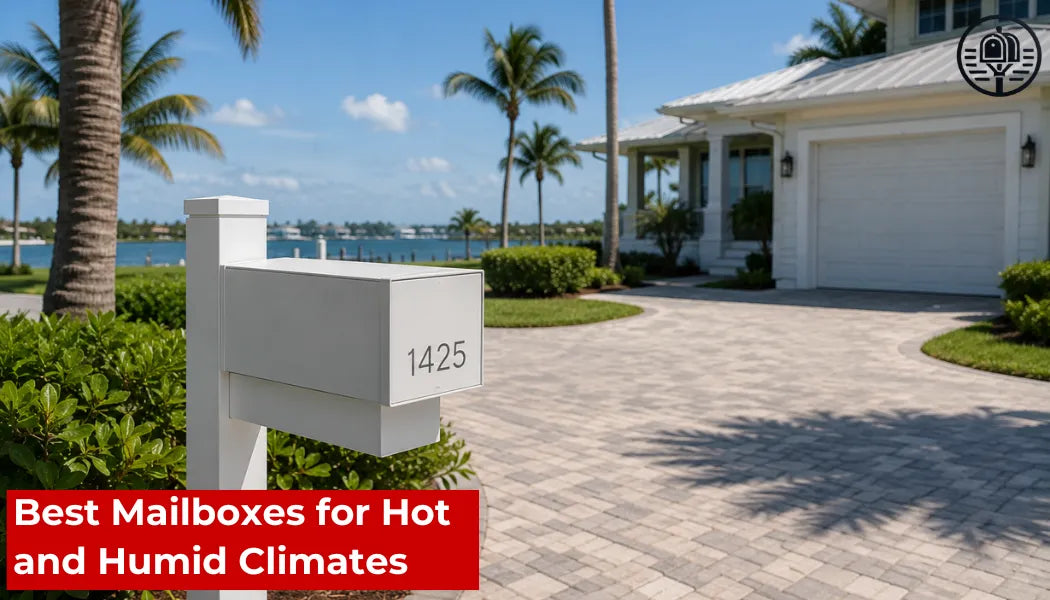
Choosing the right mailbox isn’t just about style. The mailbox material directly affects durability, security, maintenance, and curb appeal. If you’re wondering, “In which materials should my mailbox be?”, you’re asking the right question.
In this comprehensive guide, you’ll discover the pros and cons of every major mailbox material, how climate impacts your choice, what to avoid, and how to select the best option for long-term value.
By the end, you’ll know exactly which material fits your home and budget.

Why Mailbox Material Matters
Your mailbox is exposed to:
-
Rain and snow
-
UV sunlight
-
Wind and debris
-
Daily opening and closing
The wrong material can rust, crack, fade, or weaken over time.
Choosing a durable outdoor mailbox material means fewer replacements and better protection for your mail.
💡 Tips : Always match your mailbox material to your local climate conditions first, then focus on design.
The Most Common Mailbox Materials
Let’s break down the main options available on the market.
1. Steel Mailboxes
Steel is one of the most common mailbox materials.
Advantages
-
Very strong and impact-resistant
-
Affordable
-
Widely available
Disadvantages
-
Can rust without proper coating
-
Heavier than aluminum
Galvanized or powder-coated steel offers better corrosion resistance.
If security matters, steel is often a smart choice.
⚠️ Warning : Cheap steel mailboxes without protective coating may rust within a year in humid climates.
2. Aluminum Mailboxes
Aluminum is lighter and naturally rust-resistant.
Advantages
-
Excellent corrosion resistance
-
Lightweight
-
Low maintenance
Disadvantages
-
Less impact-resistant than steel
-
Slightly higher price
If you live in coastal areas, aluminum is often the best weather-resistant mailbox material.

✅ Advice : For coastal environments, aluminum outperforms standard steel due to natural corrosion resistance.
3. Plastic Mailboxes
Plastic mailboxes are common in budget-friendly models.
Advantages
-
Lightweight
-
Rust-proof
-
Affordable
Disadvantages
-
Can fade under UV exposure
-
Less durable against impact
-
May crack in extreme cold
Plastic works well in mild climates but is rarely the most durable option.
4. Stainless Steel Mailboxes
Stainless steel combines strength and corrosion resistance.
Advantages
-
Highly durable
-
Modern aesthetic
-
Excellent weather resistance
Disadvantages
-
More expensive
-
Can show fingerprints
For a sleek contemporary look, stainless steel mailbox models are premium choices.
5. Wooden Mailboxes
Wooden Mailboxes offers a traditional and rustic appeal.
Advantages
-
Natural look
-
Customizable
-
Unique design options
Disadvantages
-
Requires sealing and maintenance
-
Vulnerable to moisture
-
Shorter lifespan if untreated
Wood is ideal for decorative use but requires upkeep.

6. Composite and Resin Mailboxes
Composite materials blend plastic with reinforced fibers.
Advantages
-
Lightweight
-
Weather-resistant
-
Minimal maintenance
Disadvantages
-
Less impact-resistant than metal
-
Limited premium finishes
These are practical for homeowners seeking low maintenance.
Comparison Table: Mailbox Material Overview
| Material | Durability | Rust Resistance | Maintenance | Cost |
|---|---|---|---|---|
| Steel | High | Medium | Moderate | Low |
| Aluminum | Medium-High | High | Low | Medium |
| Stainless Steel | Very High | Very High | Low | High |
| Plastic | Low-Medium | Very High | Low | Low |
| Wood | Medium | Low | High | Medium |
| Composite | Medium | High | Low | Medium |
This overview simplifies the decision-making process.
Climate: The Deciding Factor
Your location heavily influences the best mailbox material choice.
Coastal Areas
Salt air accelerates corrosion.
Best options:
-
Aluminum
-
Stainless steel
Cold Climates
Freezing temperatures can crack plastic.
Best options:
-
Steel
-
Stainless steel
Hot and Sunny Areas
UV rays fade plastic and untreated wood.
Best options:
-
Powder-coated steel
-
Aluminum
💡 Tips : Look for UV-resistant coatings if you live in high-sunlight regions.
Security Considerations by Material
If mail theft is a concern, material strength matters.
-
Thin plastic: low resistance
-
Aluminum: moderate resistance
-
Thick steel or stainless steel: highest resistance
For enhanced security, consider a locking metal mailbox.

Step-by-Step Guide: How to Choose the Right Mailbox Material
Follow this structured method.
Step 1: Evaluate Your Climate
Humidity? Snow? Salt air?
Step 2: Define Your Budget
-
Under $50 → steel or plastic
-
$50–$150 → aluminum or composite
-
$150+ → stainless steel
Step 3: Assess Security Needs
High theft area? Choose reinforced metal.
Step 4: Consider Maintenance
Want low maintenance? Avoid untreated wood.
Step 5: Match Aesthetic
Modern home → stainless steel
Rustic home → wood
Traditional home → powder-coated steel
Common Mistakes to Avoid
1. Ignoring Climate
Buying steel near the ocean without coating leads to rapid rust.
2. Choosing Style Over Durability
A beautiful wooden mailbox may deteriorate quickly without maintenance.
3. Overpaying for Unnecessary Features
Not everyone needs premium stainless steel.
4. Skipping Thickness Check
Thin metal dents easily.
⚠️ Warning : Always verify material thickness and protective coating before purchasing.
FAQ – Mailbox Materials
1. What is the most durable mailbox material?
Stainless steel is generally the most durable option.
2. Is aluminum better than steel?
Aluminum resists rust better, but steel is stronger against impact.
3. Do plastic mailboxes last long?
They last in mild climates but may fade or crack in extreme conditions.
4. Is a wooden mailbox a good idea?
Only if you’re prepared for regular sealing and maintenance.
5. Which mailbox material is best for coastal areas?
Aluminum or stainless steel.
6. Are metal mailboxes safer?
Yes, especially locking steel or stainless steel models.
7. How long should a mailbox last?
High-quality metal mailboxes can last 10–20 years.
Final Recommendation
If you want the best balance between durability, cost, and low maintenance, choose a powder-coated steel mailbox or aluminum mailbox.
For maximum longevity and modern appeal, invest in stainless steel.
Avoid cheap untreated materials in harsh climates. Think long-term, prioritize weather resistance, and match your mailbox material to your environment.
A well-chosen mailbox isn’t just functional — it protects your mail and enhances your home’s exterior for years to come.